Why speed is a money question
Speed is easy to treat as a technical detail. The research says otherwise. Google found that 53% of mobile site visitors leave a page that takes longer than three seconds to load1. A Deloitte study found that a mobile site just 0.1 seconds faster lifted retail conversions by 8.4% and travel conversions by 10.1%2.
Mobile is where this matters most. 59% of global web traffic now comes from phones3, often on slower connections than the office Wi-Fi the site was tested on.
What real companies measured
Some of the clearest evidence comes from case studies published by Google's web.dev team. Vodafone made its main content appear 31% faster and sold 8% more4. Rakuten 24 improved its Core Web Vitals and, in an A/B test, saw revenue per visitor rise 53%5. redBus made its pages respond 72% faster to taps and clicks, and sales rose 7%6.
These are large companies with large traffic, so the exact percentages will not carry over to every business. The direction does, though. Faster, steadier pages keep more people and sell more.


The three numbers Google uses
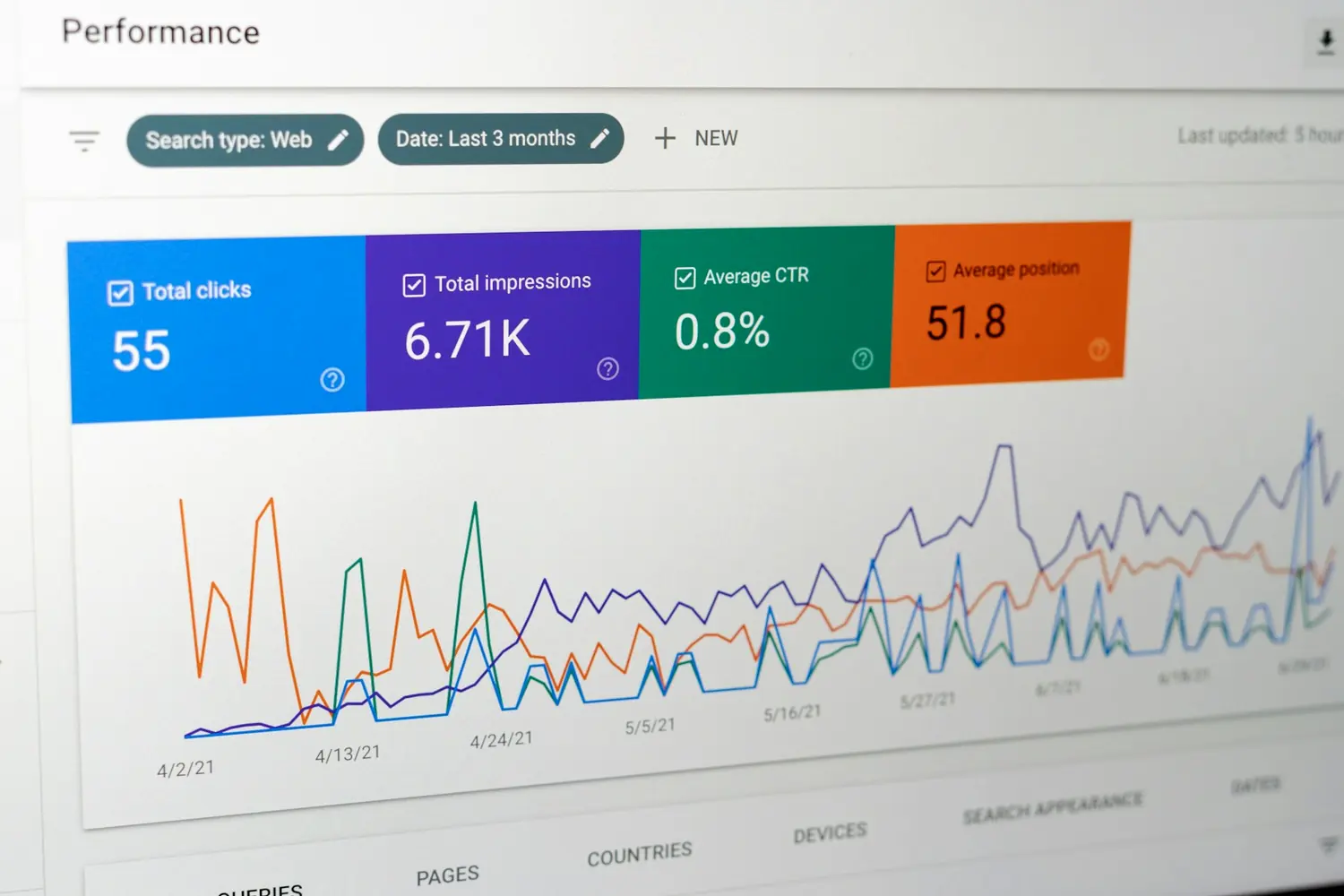
Google measures page experience with three Core Web Vitals7.
- Largest Contentful Paint (LCP) is how quickly the main content appears. The target is 2.5 seconds or less.
- Interaction to Next Paint (INP) is how quickly the page responds when someone taps or clicks. The target is under 200 milliseconds.
- Cumulative Layout Shift (CLS) is how much the layout jumps while loading. The target is under 0.1.
Google says these, along with other page experience aspects, align with what its core ranking systems seek to reward7. Speed will not lift a weak page to the top of search, but it removes a reason for both people and Google to pass you by.
Where slow websites lose their time
- Images that are too large. A photo straight from a camera can be many times bigger than the screen needs. Modern formats such as WebP and AVIF, and correct sizing, fix most of this.
- Too much JavaScript. Chat widgets, trackers, sliders and page builders each add code the phone has to download and run before the page responds.
- Plugins and themes that load everything everywhere. Many off-the-shelf themes load every feature on every page, used or not.
- Slow hosting and no caching. A server far from your customers, or one that rebuilds every page for every visitor, adds delay before anything appears.
How we build for speed
We set the three Core Web Vitals targets before design starts, choose a platform that can meet them, and test on real mid-range phones before launch. The code for our own home page, HTML, CSS and JavaScript together, is 153 KB.
If your site feels slow, measure it first. Google's free PageSpeed Insights8 shows your Core Web Vitals from real visitors where enough data exists, and points to the biggest problems.